Dormer LOFT CONVERSION DERBY

01332 215256

ARRANGE A DORMER LOFT CONVERSION QUOTE

SEND 24/7

DORMER LOFT CONVERSION

VELUX LOFT CONVERSION

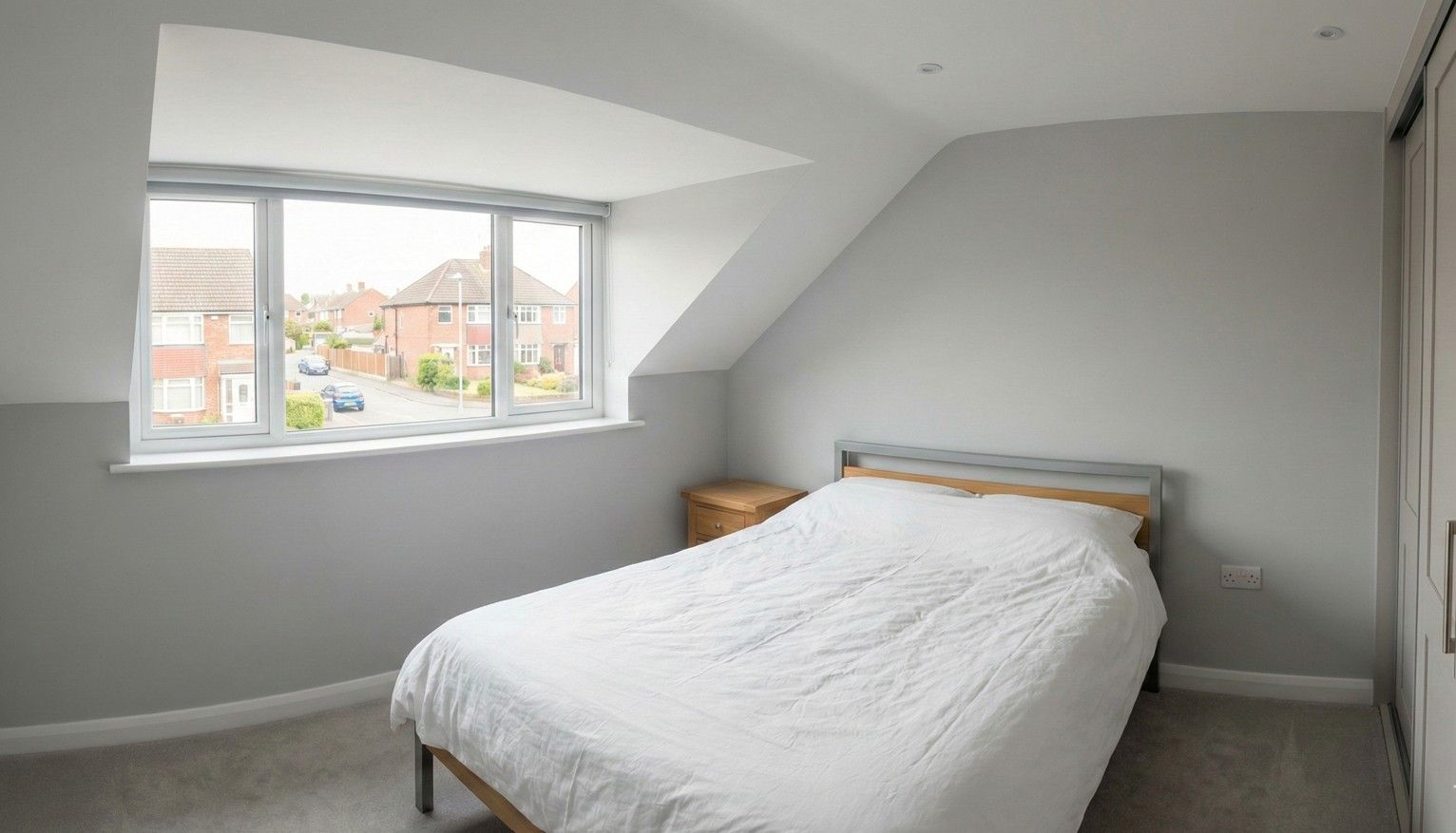
Dormer loft conversions are the most popular choice for Derby homeowners wanting to maximise their loft space. By extending your roof outwards to create a box-like structure with vertical walls and a flat roof, dormers deliver significantly more usable floor space and full-height ceilings than simpler Velux conversions. This makes them perfect for creating proper bedrooms, spacious home offices, or luxurious master suites with en-suite bathrooms.

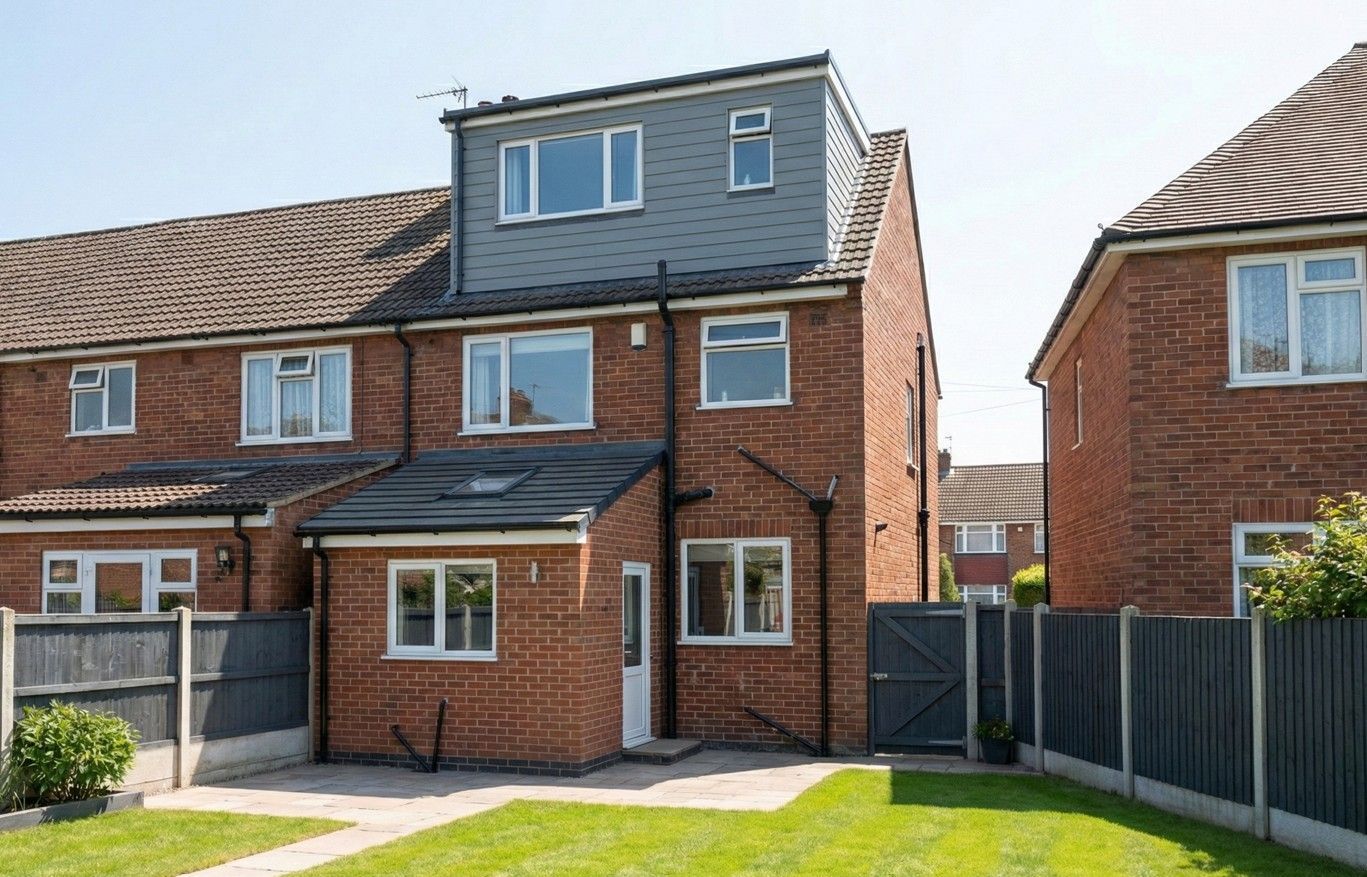
The beauty of rear dormer conversions—the type we most commonly install across Derby, Allestree, Mickleover, and surrounding areas—is that they typically fall under permitted development rights. This means you can gain substantial extra space without the delays and costs associated with planning permission applications. From the street, your Derby home maintains its original appearance, whilst at the rear, you benefit from a dramatic increase in usable loft space.

Whether you're living in a Victorian terrace in Darley Abbey, a 1930s semi in Chaddesden, or a modern detached property in Littleover, a dormer conversion offers the ideal balance between cost, space creation, and build complexity. At Derbyshire Specialists Group, we've completed hundreds of dormer loft conversions throughout Derbyshire, transforming cramped, awkward loft spaces into stunning rooms that families genuinely use and love.

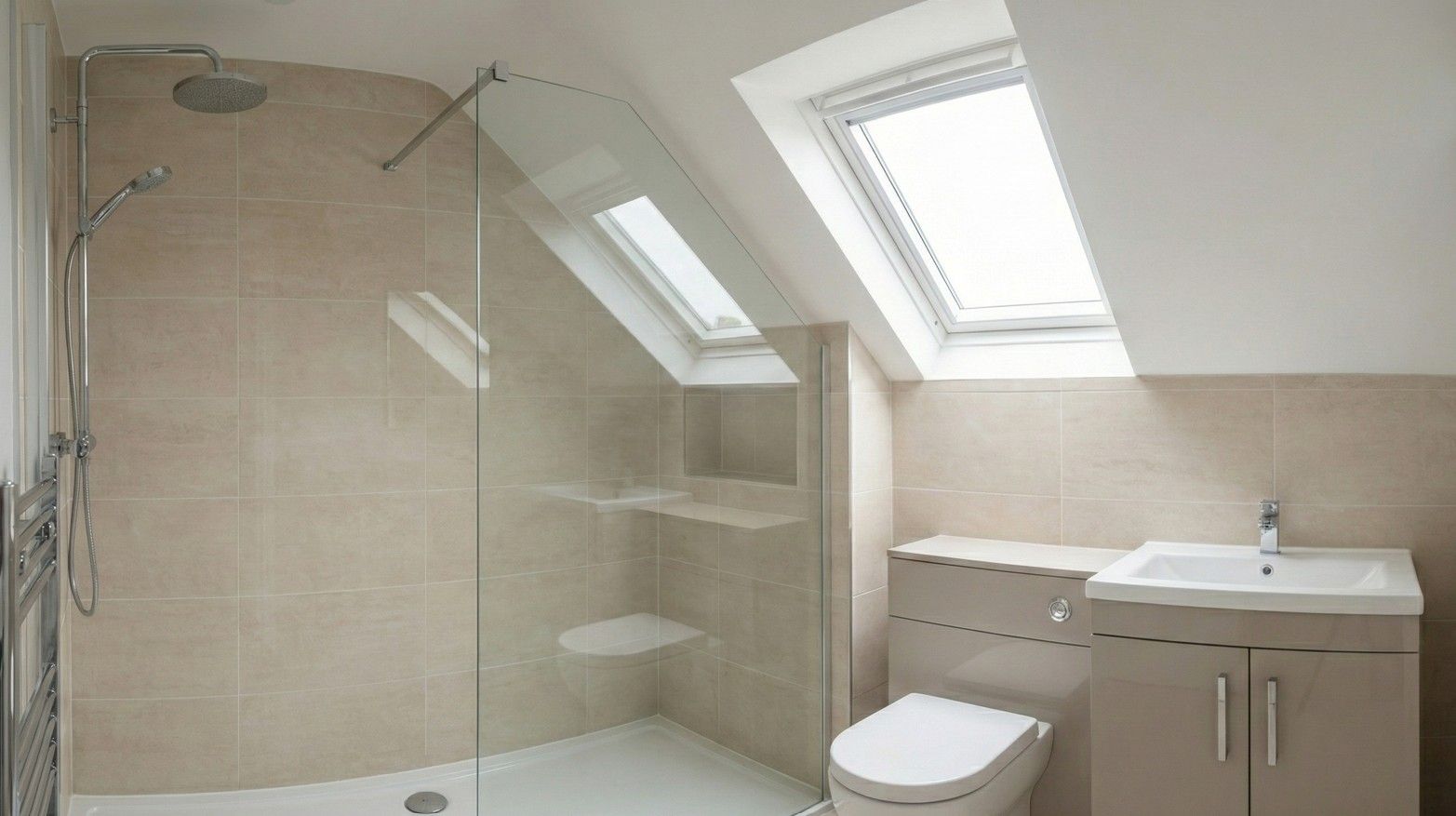
  • Derbyshire Specialists Group a stylish and modern en-suite bathroom within the dormer conversion, featuring a walk-in shower and a Velux window.

    Slide title

    Write your caption here
    Button

DORMER LOFT CONVERSION NEAR ME

If you are looking to for a company providing dormer loft conversions near me within Derbyshire - look no further, contact us today to arrange a quote

What is a Dormer Loft Conversion?

A dormer loft conversion involves building a structural extension that projects vertically from your sloping roof. Unlike Velux conversions that work within the existing roof structure, dormers alter the roofline to create additional internal space with proper vertical walls and ceiling height.


The Structural Design

The dormer structure features vertical walls that rise from your existing roof slope, a flat or slightly pitched roof spanning the top, and windows set into the vertical front wall—typically dormer windows that give this conversion type its name. This box-like extension effectively extends your loft outwards and upwards, creating significantly more usable floor area and crucially, more headroom throughout the space.


Rear Dormer vs Front Dormer

The vast majority of Derby dormer conversions are rear dormers, built on the back-facing roof slope. This positioning serves multiple purposes: it maintains your property's street appearance, usually falls under permitted development rights, and provides excellent views over your garden and Derby's surrounding landscape. Front dormers are far less common, typically requiring planning permission and careful design consideration to complement your property's character.


The Internal Transformation

Inside, the difference compared to a Velux conversion is dramatic. Instead of sloping ceilings throughout, you gain substantial areas with full ceiling height—typically 2.3-2.4 metres—making the space feel more like a conventional room. This vertical space proves invaluable for furniture placement, wardrobe installation, and creating that crucial sense of openness. The flat rear wall accommodates full-height furniture, whilst the sloping front roof (where Velux windows are often installed) adds character without compromising usability.

SMALL DORMER LOFT CONVERSION

Even if you have a small loft with the right fittings we can help you maximise your space to provide you with another room in your home - get in touch today

Types of Dormer Conversions

Rear Dormer Conversions

This is Derby's most popular option. The dormer is built across the rear roof slope, typically either full-width (extending to within 300mm of each side) or set-in (with visible roof tiles remaining on either side). Full-width dormers maximise space and are commonly seen on terraced properties, whilst set-in dormers often suit detached homes where aesthetics matter more.


L-Shaped Dormer Conversions

Perfect for Victorian and Edwardian Derby properties with rear outriggers (small rear extensions at first-floor level). An L-shaped dormer extends over both the main roof and the outrigger roof, creating exceptional space—often enough for two rooms or a large bedroom with en-suite. These conversions are particularly common in Derby's older housing stock around Normanton and Littleover.


Flat Roof Dormers

The standard Derby dormer features a flat roof with a very slight pitch for drainage. This maximises internal ceiling height whilst keeping the overall structure compact and more likely to meet permitted development criteria.


Gable-End Dormers

Sometimes called "doghouse dormers," these smaller structures project from the roof slope at the gable end. They're less common in Derby but can work well on specific property types where full-width dormers aren't suitable or necessary, providing targeted space increase where it's most needed.

Benefits of Dormer Loft Conversions in Derby

Maximum Usable Floor Space

Dormers typically create 30-40% more usable floor area compared to Velux conversions in the same loft. Those vertical walls mean you can actually use the edges of the room—perfect for beds, wardrobes, desks, and storage furniture. In a typical Derby terraced house, you might gain 20-25 square metres of genuinely usable space, enough for a double bedroom with fitted wardrobes and still room to move.


Full-Height Ceilings

The psychological difference between a sloping-ceiling room and one with proper ceiling height is substantial. Dormers provide 2.3-2.4 metres of headroom across most of the floor area, making the space feel like a "real" room rather than a converted loft. This proves especially valuable if you're creating a bedroom—nobody wants to hit their head when getting out of bed.


Easier Room Layout and Furniture Placement

With vertical rear walls, you can position furniture naturally against walls rather than working around slopes. Fitted wardrobes, desks, beds, and bookcases all sit flush against walls, maximising your space efficiency. This makes dormers particularly suitable for Derby families needing practical, everyday bedrooms rather than occasional guest rooms.


Excellent for En-Suite Bathrooms

The additional headroom and floor space make dormers ideal for incorporating en-suite bathrooms. You can fit a full shower enclosure, toilet, and sink without the space constraints of a Velux conversion. Many of our Derby clients create master bedroom suites with luxury en-suites, dramatically improving their daily quality of life.


Substantial Property Value Increase

Dormer conversions typically add 15-20% to your Derby property's value—often £30,000-£50,000 depending on your property's existing value and the quality of conversion. This represents excellent return on investment, particularly when you consider that the cost of moving house (stamp duty, estate agent fees, removal costs) often exceeds £15,000-£20,000 for Derby properties.

Derby Property Types Ideal for Dormers

Victorian and Edwardian Terraced Houses

Derby's abundance of Victorian and Edwardian terraces makes them our most common dormer conversion projects. These properties typically feature steep roof pitches and good roof spans, ideal for dormer construction. Properties in areas like Normanton, Spondon, and around the city centre particularly benefit from dormer conversions. The terraced nature means rear dormers maintain street aesthetics whilst providing maximum rear space.


1930s Semi-Detached Properties

Semi-detached homes from the 1930s era, prevalent throughout Allestree, Mickleover, and Chaddesden, often have hipped roofs (sloping on all sides). These properties benefit enormously from rear dormers, though some also combine dormers with hip-to-gable conversions on the side elevation for even more space. The typical 1930s semi gains enough space for two good-sized bedrooms or one large master suite.


Modern Detached Homes

Newer detached properties in developments around Derby often have steeper roof pitches that work perfectly for dormer conversions. These homes typically have more flexibility regarding planning, and owners often opt for set-in dormers that maintain kerb appeal whilst adding substantial internal space.


Properties with Limited Existing Head Height

This is crucial: if your loft currently has borderline head height (below 2.2m at the ridge), a dormer conversion can solve this problem entirely. The dormer creates proper ceiling height where none existed before, making an unusable loft suddenly viable. Many Derby homeowners discover their loft isn't suitable for a Velux conversion but works perfectly with a dormer, as the dormer creates the headroom rather than relying on existing height.

DORMER LOFT CONVERSIONS IN DERBYSHIRE

Planning Permission & Building Regulations

Rear Dormers and Permitted Development

The excellent news for Derby homeowners is that most rear dormer conversions fall under permitted development rights, meaning no planning permission is required. However, specific criteria must be met: the dormer must be on the rear roof slope (not front-facing), not extend higher than the existing ridge line, be set back at least 20cm from the eaves, and the total additional volume must not exceed 40 cubic metres for terraced houses or 50 cubic metres for detached or semi-detached properties.


When Planning Permission is Required

You'll need planning permission if your property is a flat or maisonette (not a house), you're in a designated area like a conservation area, the property is listed, or you want a front-facing dormer. Derby has several conservation areas including the Cathedral Quarter, Darley Abbey, and parts of Allestree where even rear dormers may require permission. We've successfully obtained planning permission for numerous Derby conversions in these areas and can guide you through the process.


Building Regulations Compliance

Regardless of planning permission status, all dormer conversions must comply with building regulations. These cover structural strength and stability, fire safety including escape routes, thermal insulation to current standards, sound insulation between floors, staircase design and safety, and ventilation requirements. At Derbyshire Specialists Group, our end-to-end project development service includes all building regulations applications, inspections, and compliance certification.


Party Wall Considerations

For terraced and semi-detached Derby properties, dormers often require party wall agreements with your neighbours. We handle this process, providing the necessary notices and managing any surveyors' requirements to ensure smooth, compliant construction.

Dormer Loft Conversion Costs in Derby

A quality dormer loft conversion in Derby typically costs between £55,000 and £85,000, with most projects falling in the £60,000-£70,000 range. This represents mid-range pricing for loft conversions—more than Velux conversions but less than complex mansard or hip-to-gable projects.


What's Included in Your Investment

Your dormer conversion cost covers structural design and calculations, building the dormer structure including roof, walls, and windows, complete floor strengthening and insulation, roof and wall insulation to current building regulations, dormer windows and front roof Velux windows, new staircase with compliant balustrades, full electrical installation including lighting and sockets, plastering throughout, skirting boards and architraves, and all building regulations fees and inspections.


Factors Affecting Your Cost

Several variables influence your final price. Larger dormers (full-width vs set-in) cost more due to additional materials and labour. Adding an en-suite bathroom increases costs by £8,000-£15,000 depending on specifications. Complex roof structures requiring additional steelwork, properties needing asbestos removal, or difficult access situations all impact pricing. L-shaped dormers cost more than standard rear dormers due to increased structural complexity.


Outstanding Return on Investment

When compared to the cost of moving—including stamp duty, estate agent fees (typically 1-2% of sale price), removal costs, and the emotional upheaval—a dormer conversion makes tremendous financial sense. Most Derby homeowners see property value increases of £30,000-£50,000, often exceeding their investment. Plus, unlike moving house, you're improving your existing home in your preferred location.

The Dormer Conversion Process & Timeline

Most dormer loft conversions in Derby take 6-8 weeks from start to completion, though L-shaped dormers or those with en-suites may extend to 8-10 weeks.


Weeks 1-2: Preparation and Scaffolding

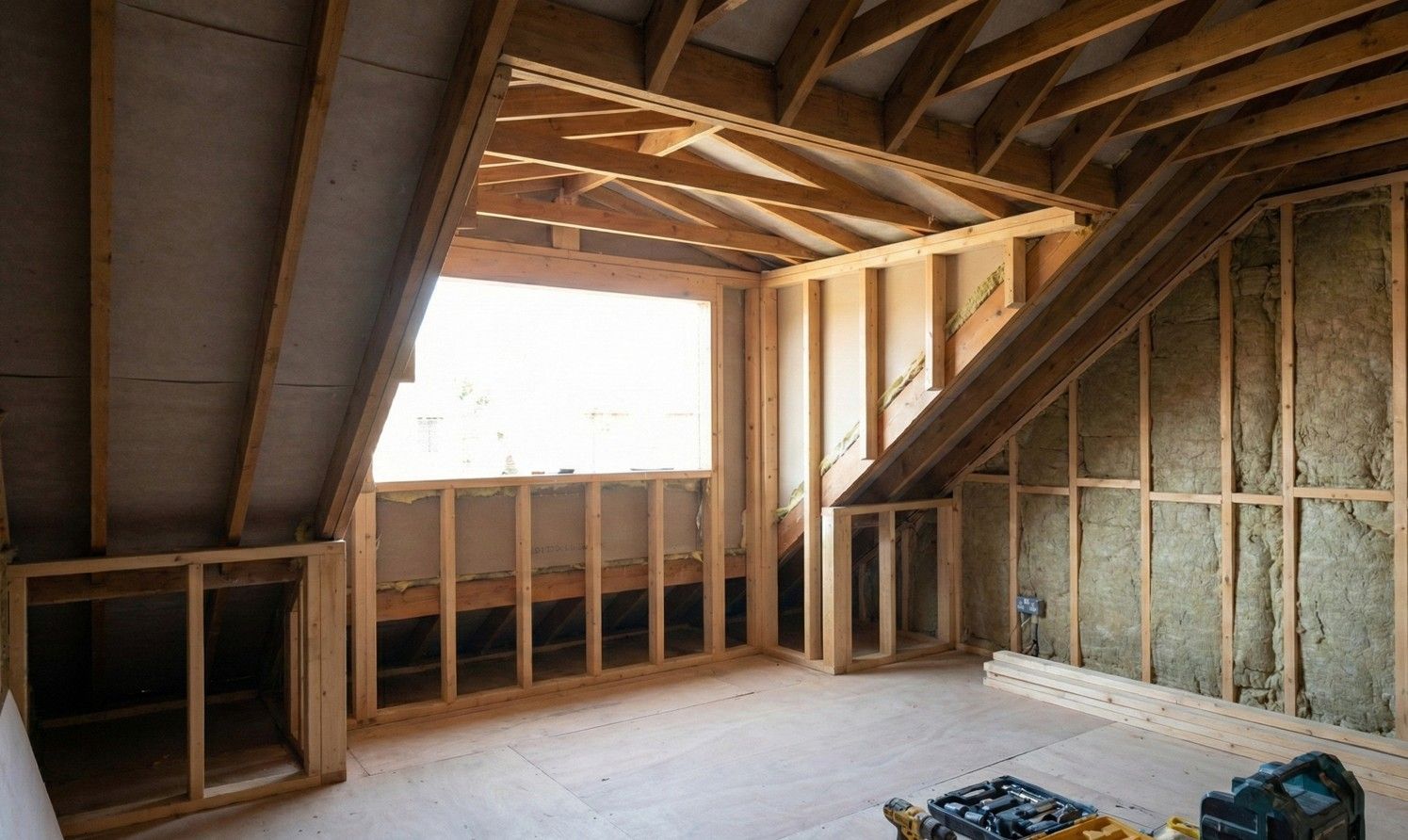
We begin by erecting scaffolding around the rear of your property, which provides safe access for the entire project. The loft is cleared and protected, and we strip the existing roof tiles from the area where the dormer will be built. Floor joists are strengthened during this phase to meet building regulations for habitable rooms.


Weeks 3-4: Dormer Structure Construction

The dormer frame is constructed using timber or steel (depending on span), external walls are built and clad, the flat roof is installed with proper drainage, and dormer windows are fitted. This is the most dramatic phase—your loft suddenly gains significant extra space and light. Weatherproofing is completed to protect the interior from Derby's unpredictable weather.


Weeks 5-6: First Fix and Insulation

Electricians install wiring for lighting, sockets, and any additional features. Insulation is fitted throughout the roof space, dormer walls, and floor to meet current thermal efficiency standards. The new staircase is installed, providing proper access. Plumbers rough-in any bathroom pipework if you're adding an en-suite.


Weeks 7-8: Second Fix and Finishing

Plasterboard is fitted and plastered throughout, creating smooth walls and ceilings ready for decoration. Electrical fittings, light switches, and sockets are installed. Flooring goes down, followed by skirting boards and architraves. If you're having an en-suite, bathroom fixtures are fitted. Final building control inspection ensures everything meets regulations.

Design Considerations for Derby Dormers

Maximising Natural Light

Strategic window placement transforms your dormer from functional to exceptional. We typically install large dormer windows on the rear wall for garden views and primary light, supplemented by Velux windows on the front roof slope to capture morning sunlight. This dual-aspect lighting creates bright, welcoming spaces throughout the day. Corner windows can be particularly effective in L-shaped dormers, flooding the space with light from multiple angles.


Optimising Internal Layout

The additional headroom and floor space in dormers allows for thoughtful room planning. Position beds against the full-height rear wall where you can sit up comfortably. Create fitted wardrobe runs along side walls where some head height reduction occurs. Designate the lowest head-height areas (under front roof slopes) for low furniture like drawers or reading nooks. Our experienced team helps you visualise optimal layouts during the design phase.


Bespoke Storage Solutions

Our skilled joiners excel at creating custom storage that maximises every centimetre of your dormer. Built-in wardrobes with sloping tops fit perfectly under eaves. Drawer units slide into low-ceiling areas. Window seats with storage beneath make use of dormer window alcoves. This bespoke approach, included in our comprehensive service, ensures your dormer is not just spacious but genuinely functional.


En-Suite Bathroom Integration

When incorporating bathrooms, careful planning ensures proper plumbing access, adequate ventilation, and efficient use of space. We typically position showers in areas with maximum headroom, whilst toilets and sinks can occupy slightly lower sections. Proper waste pipe routing is crucial—we ensure everything complies with building regulations whilst maintaining interior aesthetics.

Dormer loft conversions offer Derby homeowners the perfect balance between space creation, cost, and practicality. With full-height ceilings, maximum usable floor area, and the ability to accommodate en-suite bathrooms, dormers transform unusable lofts into stunning rooms that add genuine value to your daily life and your property's worth.

Whether you're creating a master bedroom suite, adding bedrooms for a growing family, or designing the perfect home office, a dormer conversion delivers exceptional results. Contact Derbyshire Specialists Group today on 01332 215256 to arrange your free consultation. Our experienced team will assess your Derby property, discuss your requirements, and provide a detailed, transparent quote for your dormer loft conversion. Transform your loft space with Derby's trusted home renovation specialists.

COMMON QUESTIONS ABOUT DORMER LOFT CONVERSIONS IN DERBY

  • How much does a dormer loft conversion cost in Derby?

    A dormer loft conversion in Derby typically costs between £55,000 and £85,000, with most projects falling in the £60,000-£70,000 range. This includes all structural work, the dormer construction, windows, flooring, insulation, electrics, plastering, staircase, and building regulations compliance. Adding an en-suite bathroom increases costs by approximately £8,000-£15,000. L-shaped dormers for properties with rear extensions cost more due to increased complexity. Whilst more expensive than Velux conversions (£27,500-£45,000), dormers provide significantly more usable space and typically add 15-20% to your property's value—often £30,000-£50,000 in Derby's property market.

  • Do I need planning permission for a rear dormer in Derby?

    Most rear dormer conversions in Derby don't require planning permission as they fall under permitted development rights. However, you'll need permission if your property is a flat or maisonette, you're in a conservation area (like Darley Abbey or the Cathedral Quarter), the building is listed, or you've already used your permitted development allowance. Even without planning permission, building regulations approval is always mandatory. We handle all building control applications and inspections as part of our service. For terraced and semi-detached properties, you'll also need party wall agreements with neighbours, which we manage on your behalf.

  • How long does a dormer loft conversion take?

    A typical dormer loft conversion takes 6-8 weeks to complete from start to finish. The first two weeks involve scaffolding erection and structural preparation. Weeks 3-4 see the dormer structure built, which is the most dramatic phase. Weeks 5-6 cover first-fix work including electrics, insulation, and staircase installation. The final 2 weeks involve plastering, second-fix electrics, flooring, and finishing touches. L-shaped dormers or those with en-suite bathrooms may take 8-10 weeks. This is longer than Velux conversions (4-6 weeks) but quicker than complex mansard conversions (8-12 weeks). We provide a detailed schedule during your consultation so you can plan accordingly.

  • What's the difference between a dormer and Velux loft conversion?

    A Velux conversion works within your existing roof structure, adding roof windows but maintaining the original roofline and sloping ceilings throughout. A dormer conversion extends your roof outwards, creating a box-like structure with vertical walls and flat ceiling, providing significantly more usable space. Dormers offer 30-40% more usable floor area, full ceiling height across most of the room, easier furniture placement with vertical walls, and better suitability for en-suite bathrooms. However, they cost more (£55,000-£85,000 vs £27,500-£45,000) and take longer (6-8 weeks vs 4-6 weeks). Choose Velux if you have good existing head height and want minimal disruption; choose dormer if you need maximum space and proper ceiling height.

  • Can you add a bathroom to a dormer loft conversion?

    Absolutely. Dormer conversions are ideal for incorporating en-suite bathrooms thanks to the additional headroom and floor space the dormer structure provides. You can fit a full shower enclosure, toilet, sink, and even a bath in larger dormers without the space constraints of Velux conversions. We position the shower where ceiling height is maximum, typically under the dormer's flat roof section, whilst toilets and sinks can occupy areas with slightly reduced headroom. Adding an en-suite increases your conversion cost by approximately £8,000-£15,000 depending on your chosen fixtures and finishes. The result is a master bedroom suite that significantly enhances both your lifestyle and property value.

  • Will a dormer conversion work on my terraced house in Derby?

    Yes, dormer conversions work exceptionally well on Derby's terraced properties. Victorian and Edwardian terraces throughout areas like Normanton, Spondon, and the city centre are ideal candidates. The typical terraced property gains 20-25 square metres of usable space—enough for a generous double bedroom or even two smaller rooms. Rear dormers maintain your property's street appearance whilst providing substantial space at the back. You'll need party wall agreements with neighbours on either side, which we arrange and manage. Most Derby terraced dormers fall under permitted development unless you're in a conservation area. The combination of steep roof pitches and good roof spans in Derby terraces makes them perfect for dormer conversions.

Areas Serviced by Derbyshire Specialists Group:

We provide this service in the following towns across Derbyshire:

Loft Conversion Derby, Loft Conversion Belper, Loft Conversion Ilkeston, Loft Conversion Heanor, Loft Conversion Ashbourne, Loft Conversion Ripley, Loft Conversion Borrowash, Loft Conversion Castle Donington, Loft Conversion Melbourne, Loft Conversion Alfreton, Loft Conversion Somercotes, Loft Conversion South Normanton, Loft Conversion Allestree, Loft Conversion Quarndon,