How to Choose the Right Investment Property in Derbyshire: A Beginner’s Guide
Derbyshire is an incredible — and sometimes deceptively tricky — place to begin your property investment journey. You’ve got the bustling energy of Derby city centre, the historic resilience of Chesterfield, and the breathtaking landscapes of the Peak District all sitting side-by-side. This blend is exactly what makes the Derbyshire property market one of the most diverse, high-demand, and rewarding investment regions in the UK.
But let’s be honest: if you’re just starting out, navigating the world of investment property in Derbyshire can feel overwhelming. From securing a high-yield HMO near the University of Derby to sourcing a reliable family rental in areas like Duffield, Belper, or Littleover, it’s easy to get lost in the noise. Where do you even begin?
This guide is designed to remove that confusion. Rather than giving you generic advice, we’re sharing the practical, on-the-ground insights shaped by years of managing properties, sourcing deals, and providing property management in Derby and the wider Derbyshire area. Step by step, you’ll learn how to make smart, confident decisions rooted in local expertise — not guesswork.
Phase 1: Stop and Think. What’s Your Derbyshire Game Plan?
Before you open Rightmove, you need to be crystal clear on what you’re trying to achieve. The market here isn't a single entity; what works for capital growth in Belper will tank your yield in Heanor.
1. Define Your Goal: Yield vs. Growth
Every investor starts here, and it defines where in Derbyshire you should focus.
- Chasing Capital Growth? You're playing the long game. You’ll buy a nice family home, maybe in an area showing clear signs of improvement—think places with new school ratings going up, or towns that have great rail links but are still undervalued. You accept the rent won't make you rich right away, but you’re aiming for that big payout when you sell in ten years.
- Need Monthly Cash Flow (Yield)? This is often the focus for new investors needing stable monthly income. You’ll be looking at cheaper areas, perhaps postcodes with high student density or solid working-class communities. These properties are less about looking pretty and more about generating reliable rent.
You also have to pick your investment vehicle:
- The Classic Single-Let: Simple, low maintenance. One tenant, one contract. Ideal for family-focused towns where stability is key.
- The HMO Hustle: Letting rooms individually. Higher management, much higher yield. This is the bread and butter of student areas around Derby, but be warned: the licensing and regulation are strict.
- The Peak District Holiday Let: Think high-end returns but commercial work. You're running a small hospitality business, not just a tenancy. Great for Buxton, Matlock, or Bakewell, but you need marketing skills and a willingness to handle constant turnover.
2. Know Your Tenant – They Define Your Property
You can’t just buy a house; you have to buy a home for someone specific. Derbyshire has distinct tenant pools:
- The Student Crowd: They need fast Wi-Fi, proximity to the University of Derby, and a good social setup. They don't care about the garden, but they need good transport links.
- The Professionals/Commuters: These are the people working at Rolls-Royce or commuting down the M1 to Nottingham or Sheffield. They want modern, hassle-free living. Think new-build apartments or terraced homes with good parking access near the A38.
- The Stable Families: They care about one thing above all else: school catchment areas. They want gardens, space, and quiet streets. Places like Belper, Duffield, and certain parts of Chesterfield are gold for this.
Your choice of property—even down to whether it has a bath or just a shower—must directly match their specific needs.
3. The Ugly Truth: Crunching the Numbers
This is where beginners often trip up. Don't rely on the "gross yield" figure an estate agent gives you. You need the Net Yield.
$$\text{Net Yield} = \frac{\text{Annual Rent} - \text{Total Operating Costs}}{\text{Total Investment Cost}} \times 100$$
Don't forget the hidden costs:
- Management Fees: Budget 10–15% of your gross rent. Trying to self-manage from out of the country is a beginner’s nightmare.
- The "Sinking Fund": Always set aside 10–15% of the rent for maintenance, repairs, and those inevitable boiler breakdowns. Don't be caught short.
- SDLT: Remember the higher Stamp Duty Land Tax surcharge for second homes. It drastically changes your upfront cost.
Always use pessimistic numbers for your rent and inflated figures for your costs. If the deal still looks great, you’re onto a winner.
Phase 2: Location, Location, Derbyshire Location
We’re moving past generic regional analysis and getting into the postcodes.
The City Beast: Derby and Its Satellites
Derby is the investment powerhouse. It has the University, major employers, and excellent transport infrastructure.
- The Student Zone: Look at postcodes like DE1 and parts of DE22. HMOs are the strategy here, but you’ll pay a premium for properties already licensed.
- Professional Commuting: The A38 corridor and areas surrounding the train station are key. Tenants here value speed and quality. Suburbs like Allestree and Darley Abbey command higher rents and are solid capital growth areas.
- The Hidden Gems: Don't ignore the areas bordering the city. They often offer a better entry price and higher yield than the immediate city centre, while still attracting commuters.
This market moves fast. To avoid being outbid on every decent deal, you need to think like a local. If you’re ready to gain a competitive edge and tap into knowledge that goes beyond Google, take a moment to understand how we approach the market at our homepage, Derbyshire Specialists Group.
The North Derbyshire Sweet Spot: Chesterfield
Chesterfield is often overlooked, but it offers brilliant beginner opportunities, especially on the yield front.
- M1 and Rail Links: Its proximity to the M1 and good links to Sheffield make it a commuter favourite without the Derby price tag.
- The Affordability Factor: House prices here are generally more accessible, meaning your initial investment is lower and your yield is often healthier. You’ll find great terraced houses popular with local families and commuters.
The Peak District Fringe: Matlock, Bakewell, Belper
These areas are gorgeous, but you need to be cautious.
- Belper (DE56): A World Heritage Site buffer, this town is highly sought after by families. Capital growth is strong, but the entry price is high, meaning yields are usually tighter. Stable, reliable tenants are the payoff.
- Peak District Towns: If you’re not doing holiday lets, traditional buy-to-let in places like Bakewell or Buxton can be tough. The local property prices are often inflated by tourists looking for second homes, squeezing out traditional landlords.
Phase 3: The Property and Its Condition
Now you have the postcode. What kind of house should it be?
Features That Tenants Pay For
A good buy-to-let in Derbyshire isn't just a roof; it’s a list of amenities:
- Energy Performance (EPC): This is non-negotiable. Aim for C or higher. Tenants love lower bills, and future regulations will make F and G rated properties unusable.
- Outdoor Space: A garden or at least a patio is a huge, huge bonus, particularly outside the city centre.
- Parking: Off-street parking is gold, especially in older, denser terraced streets. Don’t underestimate this.
Should You Buy a Project?
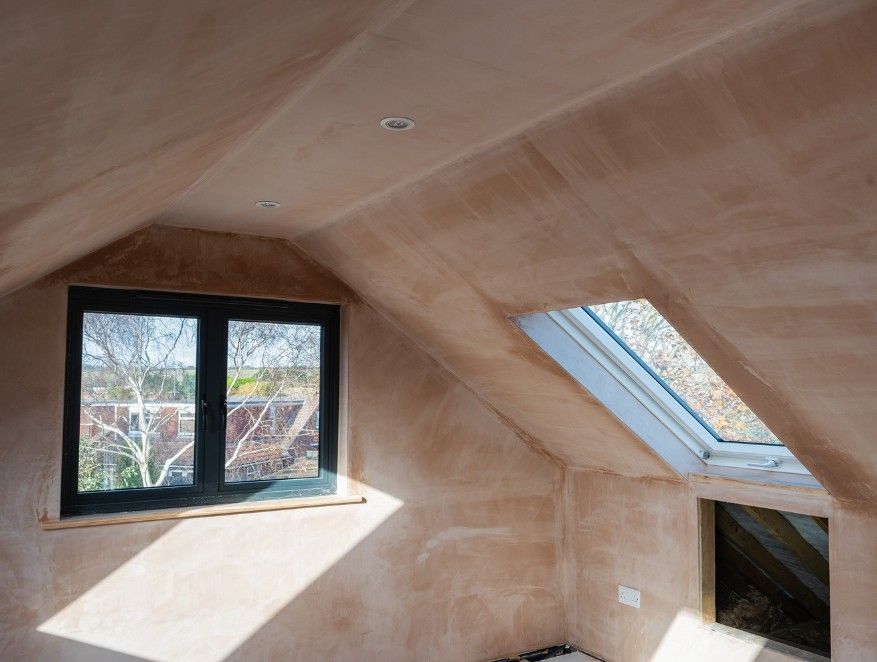
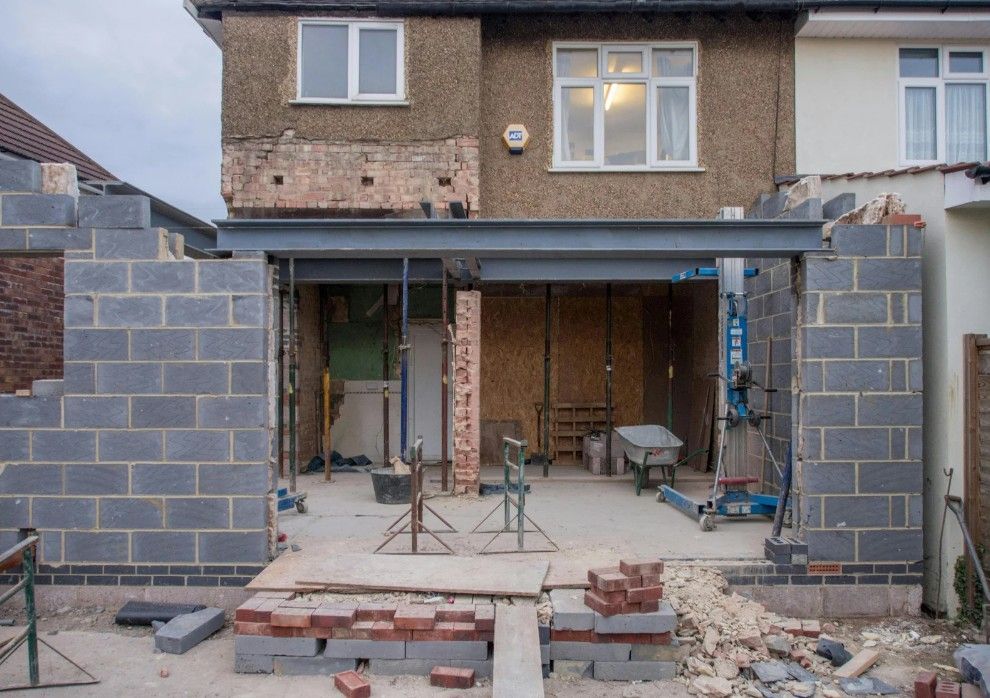
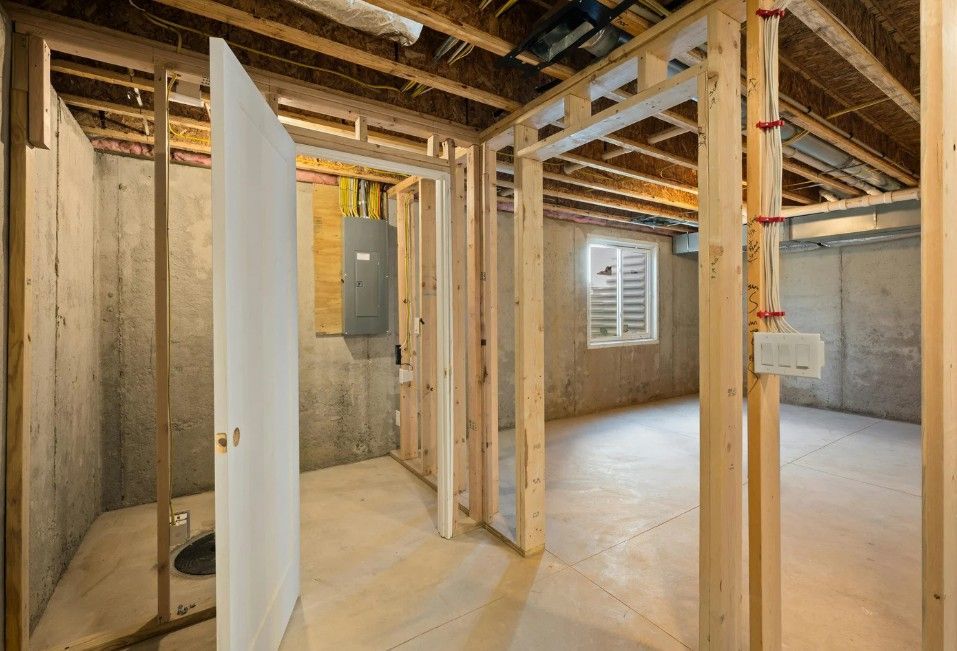
For a beginner, I’d caution against a major structural renovation. It's often too stressful, too expensive, and the timelines blow out.
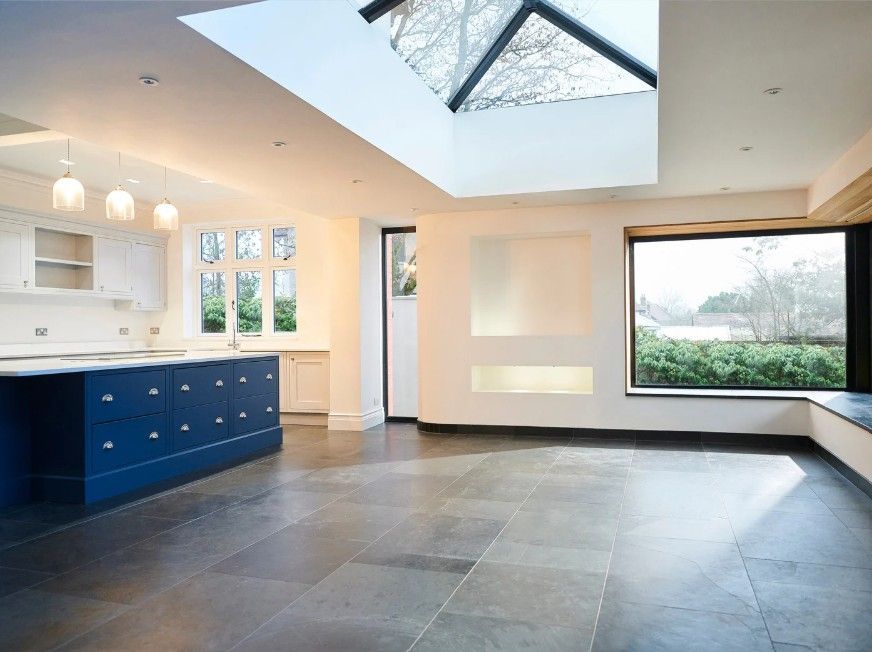
Start with a property that is "cosmetically tired." Focus on modernising the kitchen and bathroom, new flooring, and a repaint. This is a low-risk way to force appreciation without having to worry about complex structural engineering or chasing local planning permission. Save the full gut-renovation for your second or third property.
Phase 4: Securing the Deal and Professional Support
The final step is often the most frustrating: actually buying the house.
The Legal Landscape
Don’t mess around with compliance. As a landlord, you need to be meticulous:
- Gas Safety: Annual checks. No exceptions.
- EICR: Electrical Installation Condition Reports. You need this to protect yourself and your tenants.
- HMO Licence: If you’re running a property with multiple unconnected people, you must be licensed by the local council.
The Key to Market Beating Deals: Off-Market Sourcing
Let’s talk reality: the best property deals rarely make it to the open market. They are snapped up by local investors who have relationships with agents, asset managers, or who work directly with distressed sellers.
When you buy a property off Rightmove, you are instantly competing with hundreds of other people, which drives the price up and eats your profit margin.
This is why experienced investors often rely on property deal sourcing. We find properties that are undervalued, off-market, or ready for a quick sale, often before they’ve even been cleaned up for viewing. This is how you secure that crucial discount that makes the numbers work from Day One. If you are serious about securing a lucrative investment property in Derbyshire without the open market competition, our detailed process on Property Deal Sourcing explains exactly how this advantage works.
Final Thoughts
Investing in Derbyshire property is a journey, not a sprint. It rewards diligence, local knowledge, and a methodical approach. Start with a clear goal, get your numbers right, and focus your search on the specific tenant profile that matches your chosen location. By doing this, you'll ensure your first step into property investment is both stable and highly profitable.